Usefulness dependence
Personal Patterns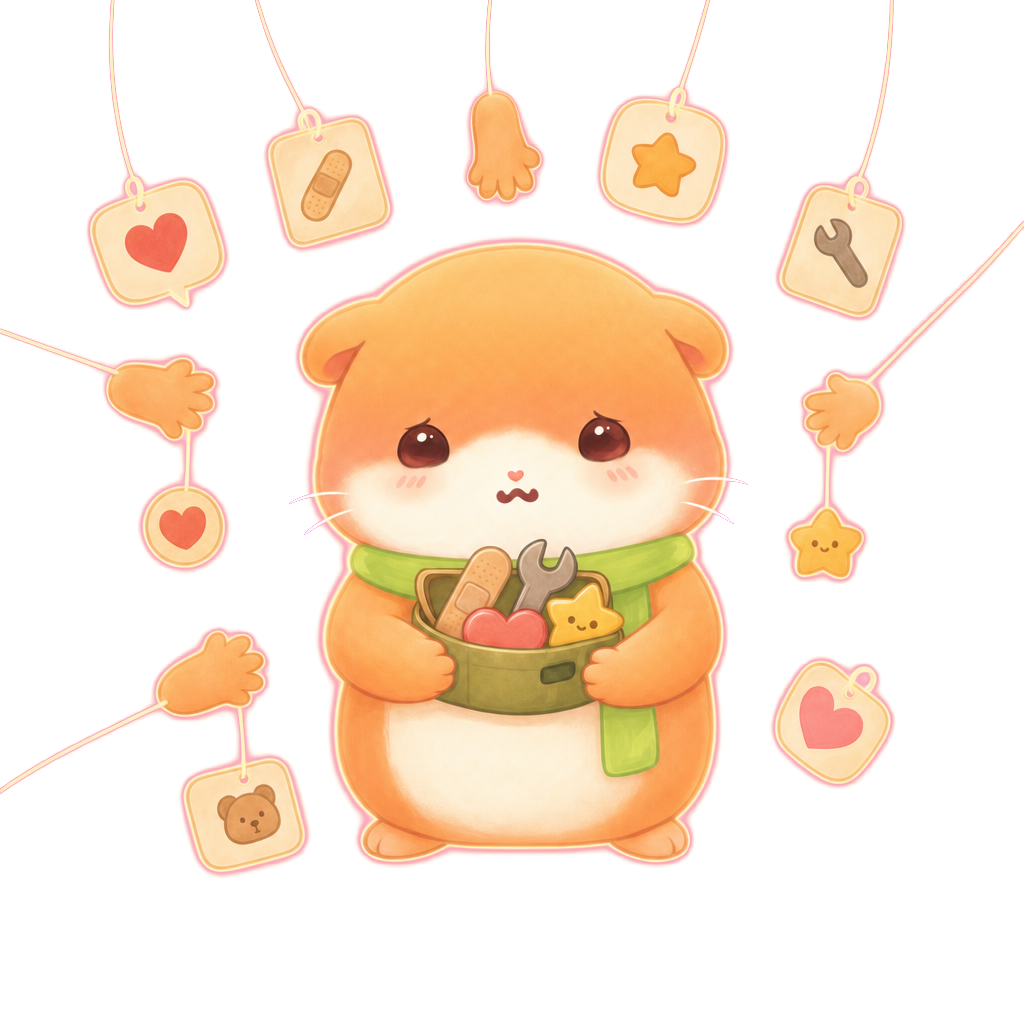
What is it?
Usefulness dependence is when being needed becomes a major source of worth or security. You may feel calm when people rely on you, ask for help, or see you as indispensable, but anxious, empty, or replaceable when they don’t. Usefulness can be meaningful, but if your value depends on being needed, you may overgive, overfunction, or stay in unbalanced relationships because dependence feels like proof of love. The hidden fear is often: “If I’m not useful, will I still matter?”
How do people work on it?
Practice noticing the difference between being valued and being used. Ask, “Would I still feel worthy here if I weren’t solving, helping, or performing?” Then build forms of connection that aren’t based on utility: play, rest, honesty, receiving, shared enjoyment, mutual support, or being present without fixing. Let someone else contribute too. If you’re always the useful one, you may never get to experience being cared for.
A useful exercise: create a non-useful connection practice. Spend time with someone without advising, fixing, hosting, paying, organizing, or being impressive. Notice the discomfort. The practice is letting connection exist without earning it through usefulness.
Additional resources to explore: CBT can help with beliefs like “I’m only valuable when needed.” ACT can help you reconnect with values beyond usefulness. Attachment-informed or relational therapy may help if being needed has become your main way to feel secure in relationships.
Educational, not diagnostic.
Learn more