Self-blame
Personal Patterns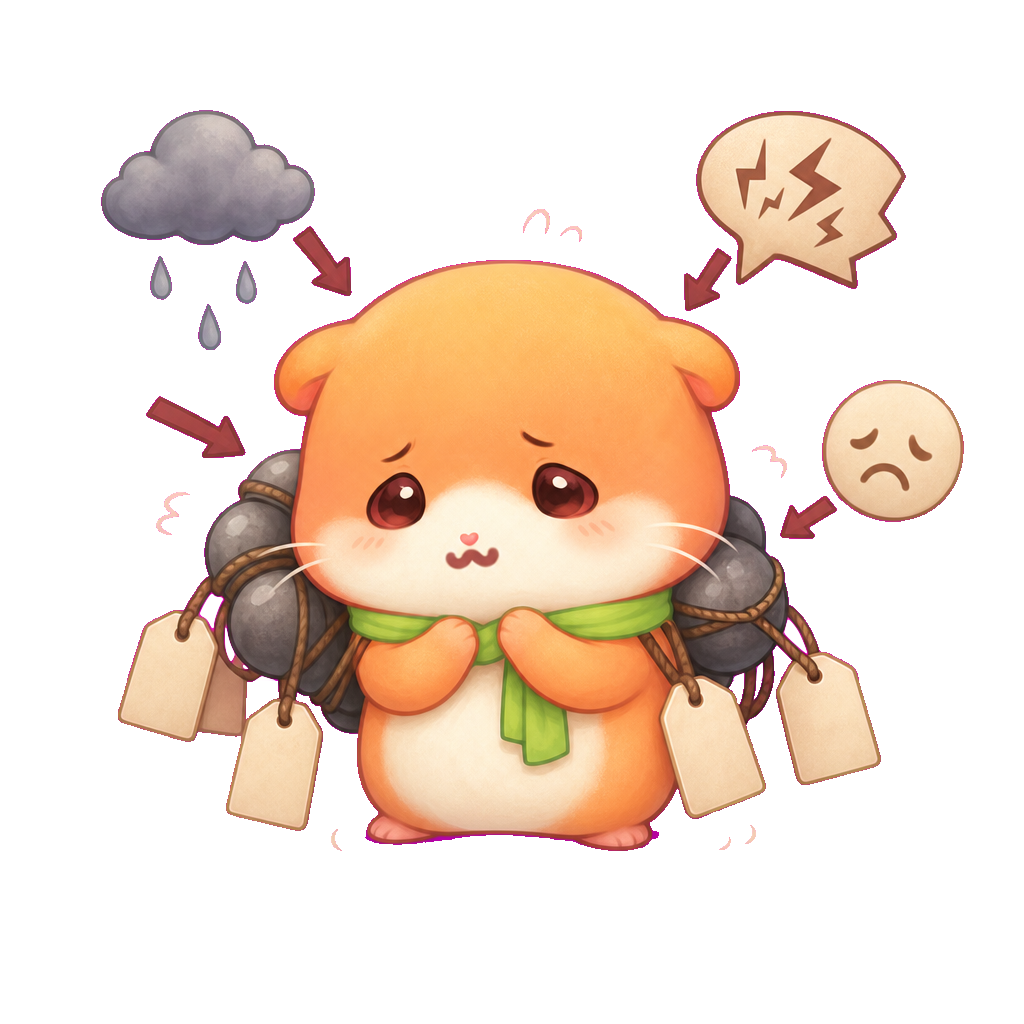
What is it?
Self-blame is when you take more responsibility than actually belongs to you. It can show up after conflict, disappointment, rejection, someone else’s bad mood, or any situation where things didn’t go well. Sometimes there may be a real piece that’s yours to own, but self-blame expands that piece until everything feels like your fault. This can create chronic guilt and make you over-apologize, over-explain, over-correct, or try to manage everyone else’s emotions. The problem isn’t responsibility. It’s excessive responsibility.
How do people work on it?
Instead of asking, “Was this my fault?” ask, “What part of this is actually mine?” That question makes room for nuance. Most situations involve multiple factors: your choices, someone else’s choices, timing, context, stress, miscommunication, limits, and things no one controlled. Your job is to own your part without absorbing the whole situation. A good rule: if your conclusion requires pretending no one else had agency, it’s probably self-blame.
A useful exercise: make a responsibility pie chart. Draw a circle and divide responsibility across all the realistic factors. Include your part, but also include the other person, the situation, timing, outside stressors, unclear communication, or bad luck. This helps your brain visually practice proportional responsibility.
Additional resources to explore: CBT can help with distorted responsibility and guilt-driven thoughts. Schema therapy may be helpful if you often feel responsible for other people’s moods or if you learned early that keeping the peace was your job. Compassion-focused therapy can help if self-blame quickly turns into shame.
Educational, not diagnostic.
Learn more