Pressure-cooker reactions
Personal Patterns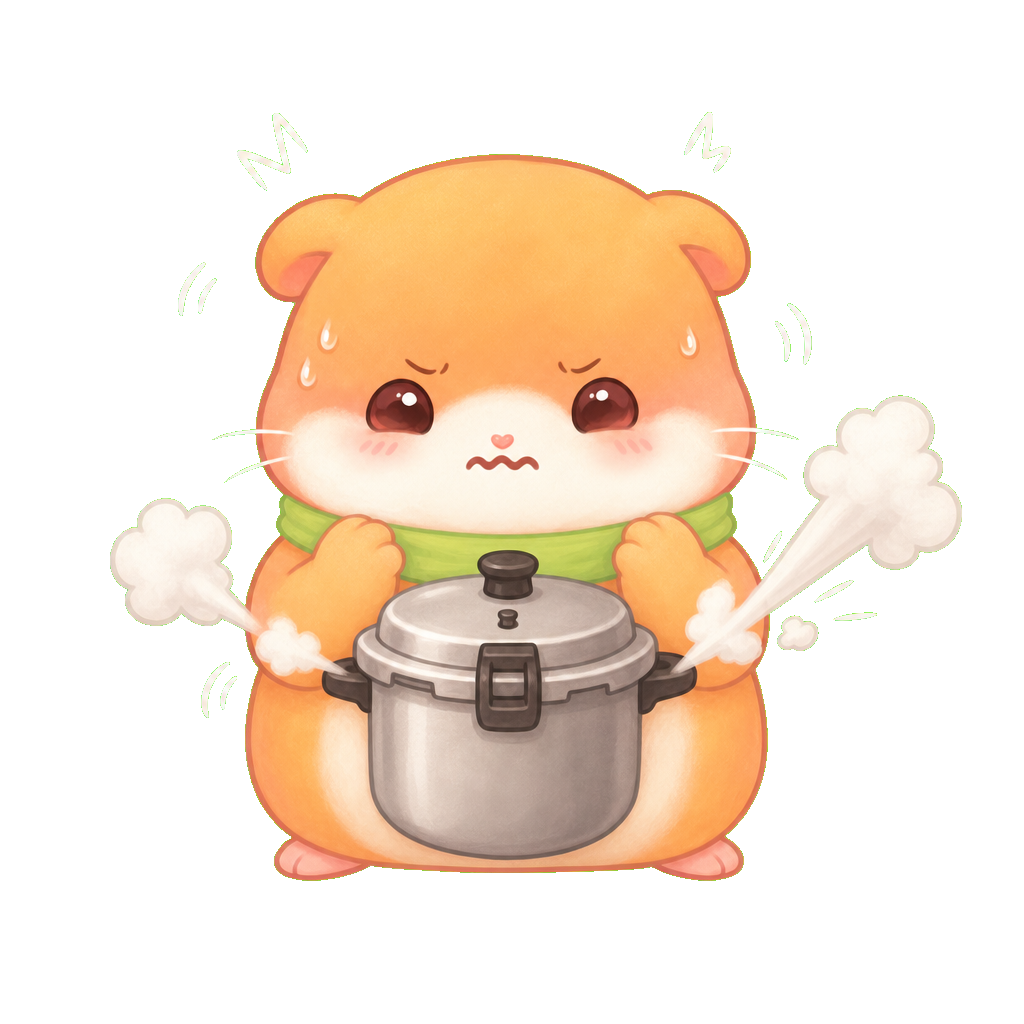
What is it?
Pressure-cooker reactions happen when emotions are held in for too long and then come out all at once. You may stay quiet, minimize, tolerate, accommodate, or tell yourself it’s fine until something small triggers a much bigger reaction. The reaction may be understandable, but the intensity can feel confusing or damaging because it carries weeks or months of unspoken feelings. This pattern often forms when you don’t feel allowed to have needs early, so your system waits until it can’t hold them anymore.
How do people work on it?
The real work happens before the explosion. Practice expressing feelings when they’re at a 3/10 instead of waiting until they’re at a 9/10. Use small, early statements: “That bothered me a little,” “I need to think about this,” “I’m starting to feel resentful,” “I don’t want to say yes automatically.” Early honesty prevents intensity from becoming your only form of truth.
A useful exercise: use an emotional pressure gauge. At the end of each day, rate any resentment, hurt, stress, or anger from 0 to 10. If something is above a 4, write one small action: express it, set a limit, ask for help, rest, or make a plan. Don’t wait for the feeling to become undeniable.
Additional resources to explore: DBT emotion regulation and interpersonal effectiveness skills can help you express feelings earlier and more clearly. CBT can help with beliefs like “I shouldn’t say anything unless it’s a big deal.” Relational therapy may help if this pattern shows up repeatedly in close relationships.
Educational, not diagnostic.
Learn more