Overstimulation sensitivity
Personal Patterns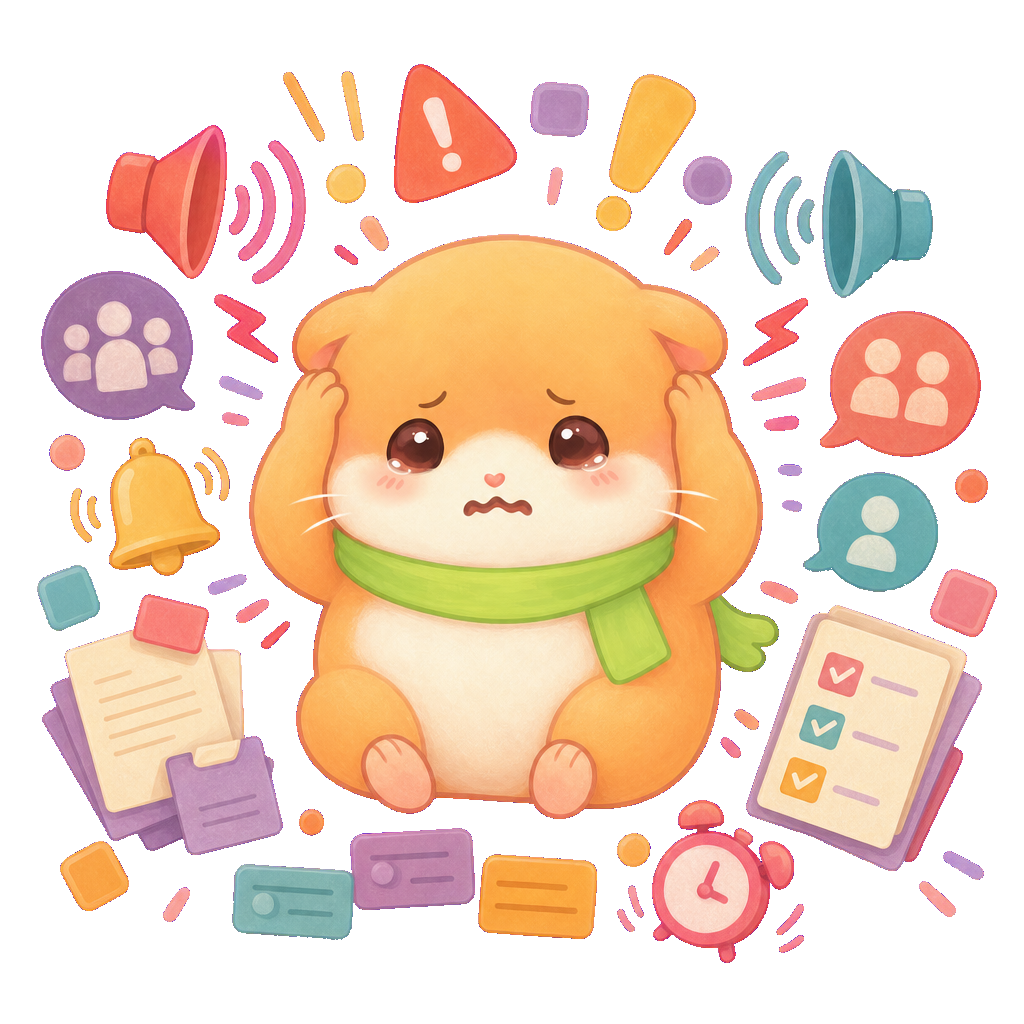
What is it?
Overstimulation sensitivity is when your system becomes overloaded by too much input. Noise, crowds, bright light, screens, multitasking, social demands, clutter, interruptions, or emotional intensity can start to feel physically and emotionally unbearable. This isn’t just “being dramatic” or “too sensitive.” Some nervous systems hit overload faster, especially under stress, fatigue, anxiety, burnout, ADHD, autism, trauma, or sensory sensitivity. Once overloaded, you may become irritable, shut down, anxious, tearful, foggy, or desperate to escape.
How do people work on it?
Treat overstimulation as a capacity issue, not a moral failure. Build in sensory exits before you’re desperate: step outside, lower the lights, use headphones, reduce notifications, take a bathroom break, leave a gathering early, or do one task at a time. If you know certain environments overload you, plan recovery time afterward. The goal isn’t to avoid all stimulation; it’s to manage input before your system hits the red zone.
A useful exercise: make a sensory load map. List what drains you: noise, light, social contact, interruptions, screens, clutter, multitasking, emotional intensity. Then list what helps: quiet, darkness, pressure, movement, cold, warmth, nature, music, solitude, predictable plans. Use this to create one small adjustment before high-input situations.
Additional resources to explore: Occupational therapy-informed sensory strategies, DBT distress tolerance, and somatic grounding can help with overload. If overstimulation is frequent or deeply impairing, it may be useful to explore ADHD-, autism-, anxiety-, burnout-, or trauma-informed support.
Educational, not diagnostic.
Learn more