Mistake review
Personal Patterns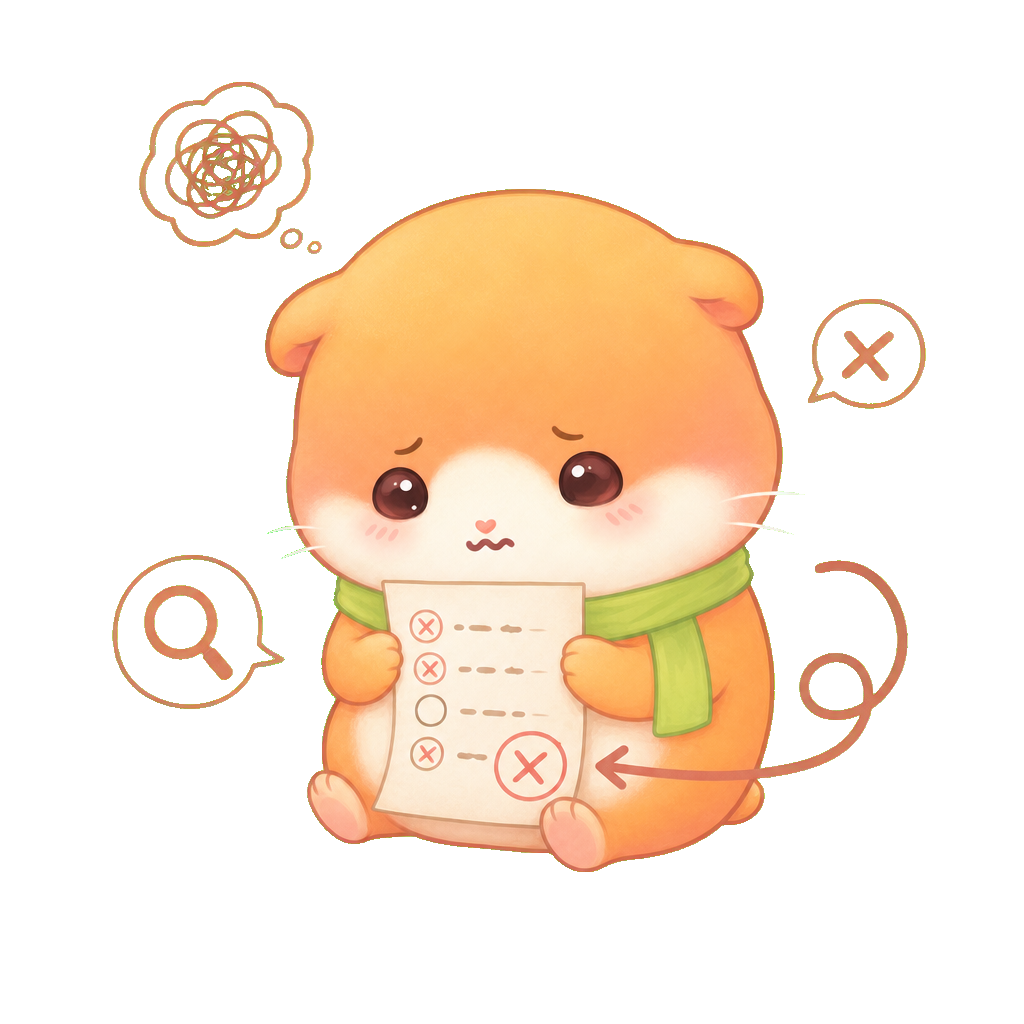
What is it?
Mistake review is when your mind keeps returning to something you did wrong, could’ve done better, or wish you could undo. Unlike healthy accountability, this pattern doesn’t help you repair, learn, or move forward. It keeps the mistake emotionally alive and often turns into self-punishment. The mind may believe that replaying the mistake prevents it from happening again, but after a certain point, the review stops being useful and starts reinforcing shame.
How do people work on it?
The goal isn’t to excuse the mistake or pretend it didn’t matter. It’s to shift from punishment to learning. Ask yourself: What actually happened? What part was mine to own? What can I repair or change? What am I adding that’s just shame? If there’s a repair to make, make it. If there’s a lesson, name it clearly. Then practice not paying for the same mistake over and over.
A useful exercise: use a repair / lesson / release format. Write: Repair: what can I do now, if anything? Lesson: what do I want to remember next time? Release: what part of this am I allowed to stop replaying? This creates accountability without endless self-attack.
Additional resources to explore: CBT can help when mistake review turns into overgeneralizing, self-labeling, or catastrophizing. Compassion-focused therapy may be useful if mistakes quickly become shame or self-hatred. Rumination-focused approaches can help if reviewing errors has become a mental habit rather than a useful reflection process.
Educational, not diagnostic.
Learn more