Learned helplessness
Personal Patterns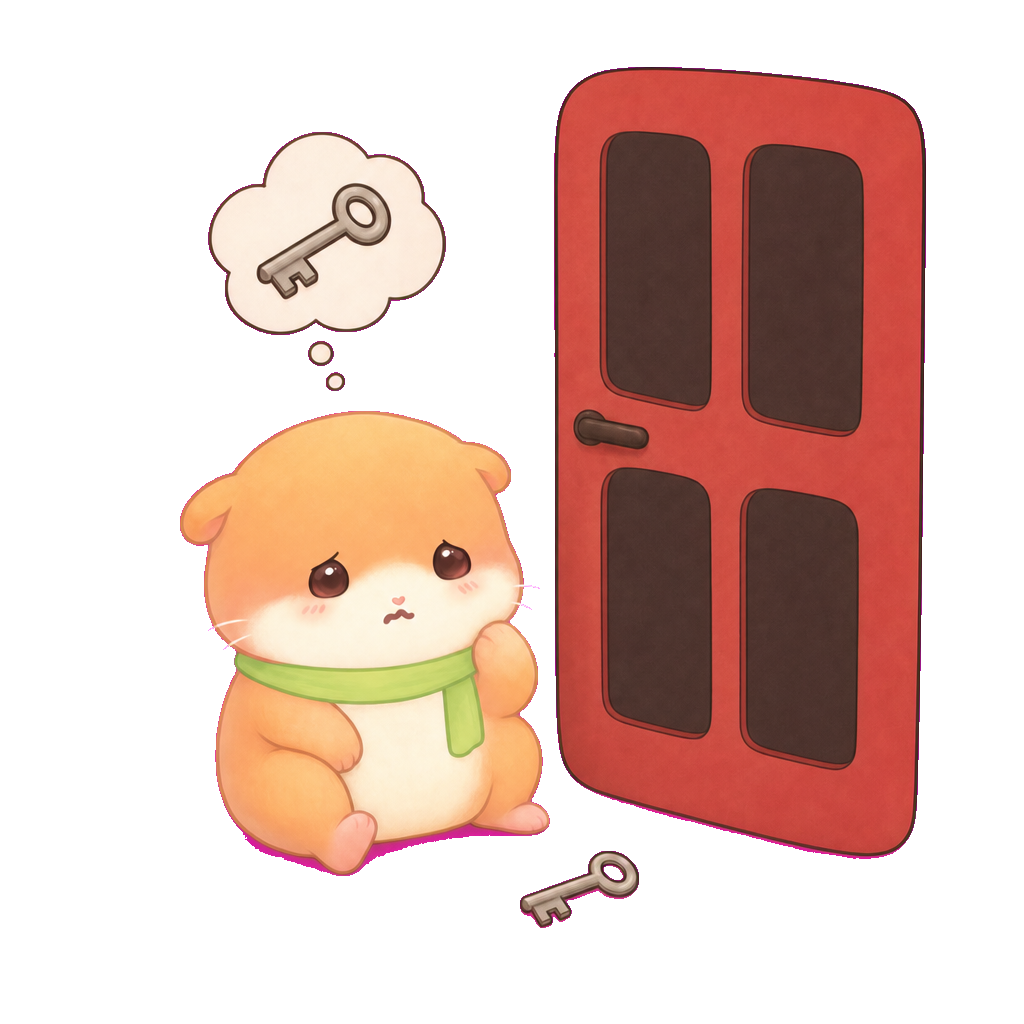
What is it?
Learned helplessness is when past disappointment, failure, rejection, instability, or lack of control teaches your system that effort doesn’t matter. You may stop trying, stop asking, stop planning, or stop believing things can improve because it feels safer not to hope. This pattern can sound like “What’s the point?” “Nothing works,” “It won’t matter,” or “I’ve tried before.” Sometimes the feeling is based on real history, so dismissing it with positivity doesn’t help. The work is to gently test whether the old conclusion is still true in the current situation.
How do people work on it?
Start with actions small enough that your brain doesn’t reject them as unrealistic. Don’t try to prove your whole life can change at once. Try proving that one action can slightly affect one outcome. Send one email, take one walk, clean one surface, ask one question, make one appointment, or practice one skill for five minutes. Agency returns through evidence, not slogans.
A useful exercise: use an agency evidence log. Each day, write one small action you took and one effect it had, even if the effect was tiny. Example: “I opened the bill, so now I know the amount.” “I texted someone, so the conversation reopened.” The point is to retrain your attention to notice where action still creates movement.
Additional resources to explore: Behavioral activation can be useful when helplessness leads to inactivity, withdrawal, or low mood. CBT can help challenge global beliefs like “Nothing I do matters.” ACT can help you take values-based action even before hope or confidence fully returns.
Educational, not diagnostic.
Learn more