Irritability loops
Personal Patterns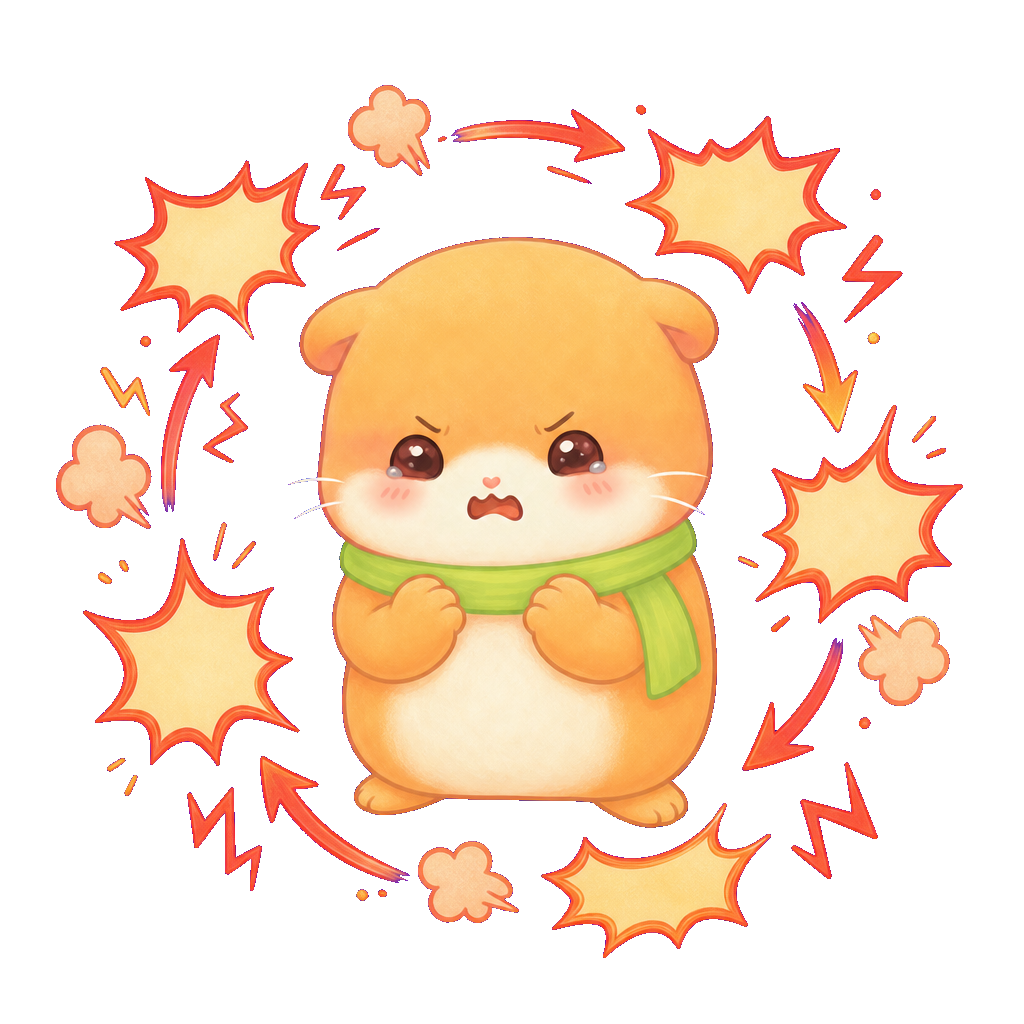
What is it?
Irritability loops happen when your system stays in a state of low-grade threat or overload. Everything feels too loud, too slow, too demanding, too messy, or too much. You may snap, criticize, rush people, withdraw sharply, or feel angry at things that wouldn’t usually bother you. Irritability is often a surface emotion. Underneath it may be stress, exhaustion, hunger, hurt, fear, overstimulation, resentment, or feeling unsupported. The loop continues when irritation creates more tension, which then creates more irritation.
How do people work on it?
Treat irritability as a signal to check your state, not as proof that everyone around you is the problem. Ask, “What’s underneath this?” Check basics first: food, sleep, overstimulation, caffeine, pain, workload, unspoken resentment, or needing space. If you’re about to snap, name the state before acting from it: “I’m irritable and overloaded. I need a minute.” This protects your relationships while still taking the feeling seriously.
A useful exercise: use an irritability scan. Rate hunger, tiredness, stress, overstimulation, resentment, and hurt from 0 to 10. Pick the highest number and address that first. Sometimes the most “emotional” solution is actually eating, resting, lowering sensory input, or stating a boundary.
Additional resources to explore: DBT emotion regulation can help identify vulnerability factors that make emotions stronger. CBT can help with hostile interpretations and frustration thoughts. If irritability is persistent, severe, or new, it may also be worth considering sleep, burnout, depression, anxiety, medication effects, hormones, or medical factors with a clinician.
Educational, not diagnostic.
Learn more