Fear of mistakes
Personal Patterns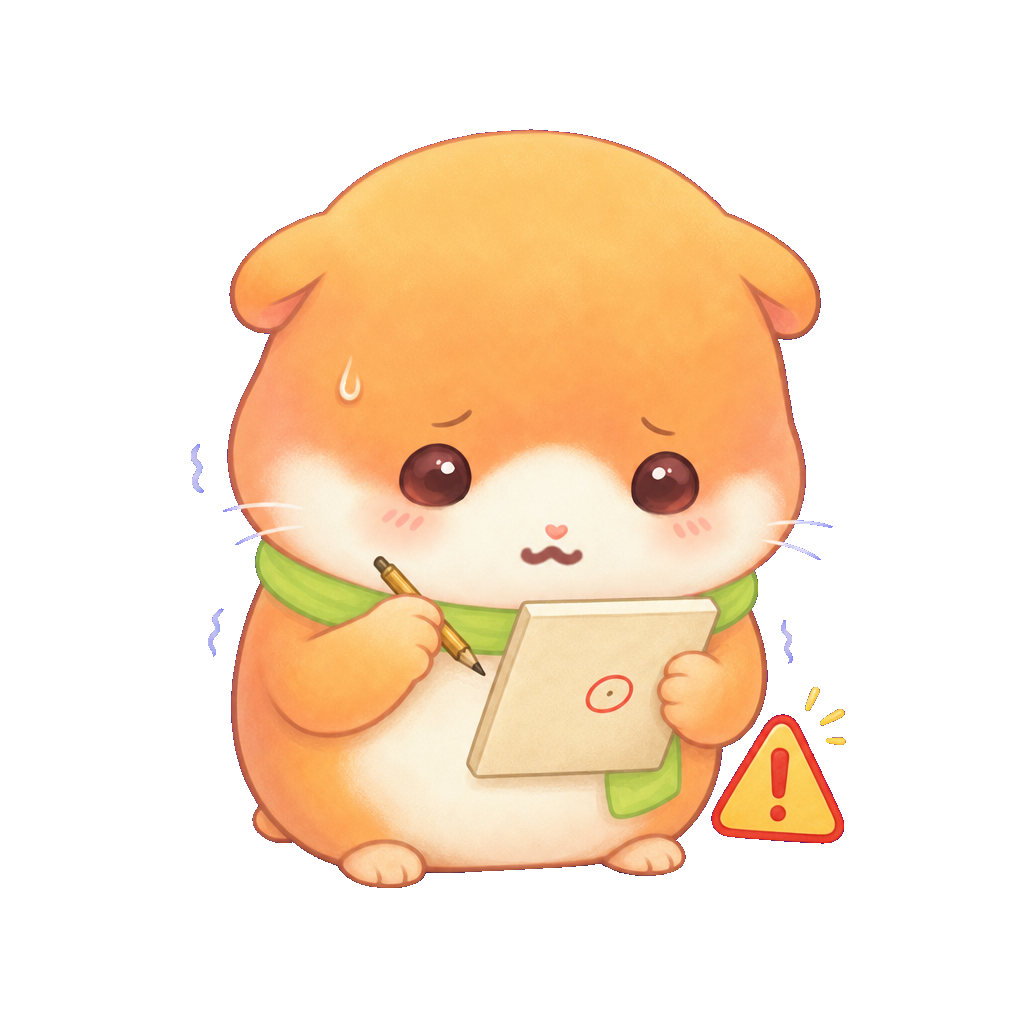
What is it?
Fear of mistakes is when errors feel bigger than they are. A mistake doesn’t just feel inconvenient or disappointing; it feels exposing, humiliating, or like proof that you’re not competent enough. This can make you overthink, avoid risks, delay action, or spend too much energy trying to prevent even small errors. The pattern often comes from the belief that mistakes reveal something essential about you, when in reality mistakes are usually part of learning, communication, repair, and doing anything difficult.
How do people work on it?
The goal isn’t to become careless. It’s to make mistakes feel survivable and correctable instead of catastrophic. Start by practicing with low-stakes mistakes or imperfections: send a casual text without rewriting it five times, leave a tiny nonessential flaw in something, ask a question even if it might sound obvious, or let someone see a rough draft. Afterward, track what actually happened versus what you feared would happen. Over time, your brain learns that mistakes don’t automatically lead to rejection, collapse, or humiliation.
A useful exercise: use a mistake prediction log. Before doing something imperfectly, write: What mistake am I afraid of? What do I predict will happen? If it happens, how could I repair it? Afterward, write what actually happened. This helps test whether mistakes are as dangerous as your nervous system says they are.
Additional resources to explore: CBT can help challenge catastrophic beliefs about mistakes. Exposure-based work can help you practice tolerating small errors without overcorrecting. Self-compassion practices can be useful if mistakes trigger shame or harsh self-criticism.
Educational, not diagnostic.
Learn more