Conflict escalation
Personal Patterns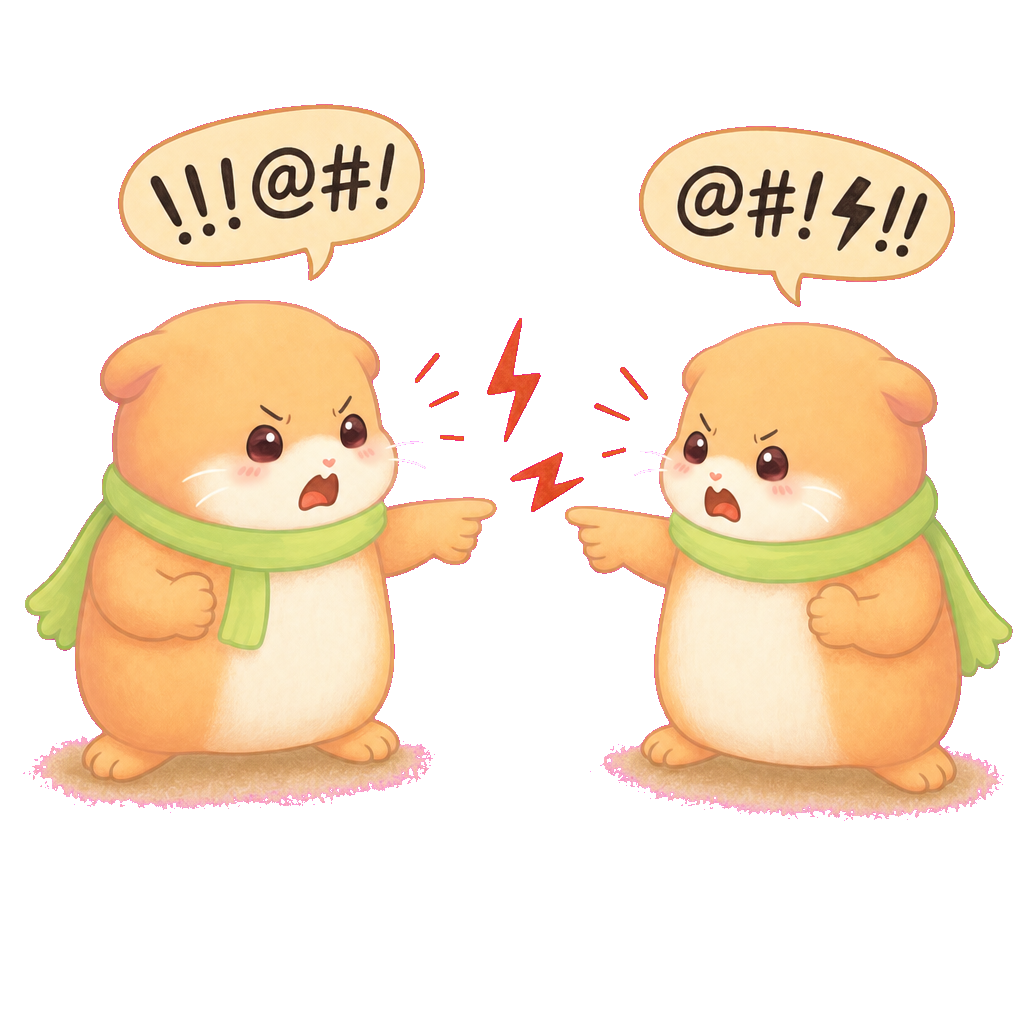
What is it?
Conflict escalation is when a disagreement grows faster than either person can regulate. A small issue turns into raised voices, accusations, old examples, threats, defensiveness, crying, shutdown, or saying things that are hard to repair later. Escalation often happens when the nervous system starts treating the conflict as danger. Once that happens, people stop listening for meaning and start listening for threat. The topic may matter, but the intensity can make it almost impossible to solve.
How do people work on it?
The most useful skill is to slow conflict down before it becomes destructive. Notice early signs: faster speech, heat in the body, repeating yourself, interrupting, sarcasm, wanting to “win,” or bringing in old evidence. Call a timeout before the conversation becomes unsafe or useless: “I want to keep talking, but I’m getting too activated. I need 20 minutes and then I’ll come back.” A timeout only works if there’s a return.
A useful exercise: create an escalation plan when you’re calm. Decide what signs mean you need a pause, what words you’ll use, how long the break will be, and what you’ll do during the break. During the break, regulate your body; don’t rehearse your argument.
Additional resources to explore: DBT distress tolerance and interpersonal effectiveness can help with staying regulated and communicating clearly. Gottman-informed couples work often emphasizes taking breaks, softening startup, and reducing destructive conflict patterns like criticism, defensiveness, and stonewalling.
Educational, not diagnostic.
Learn more