Conflict avoidance
Personal Patterns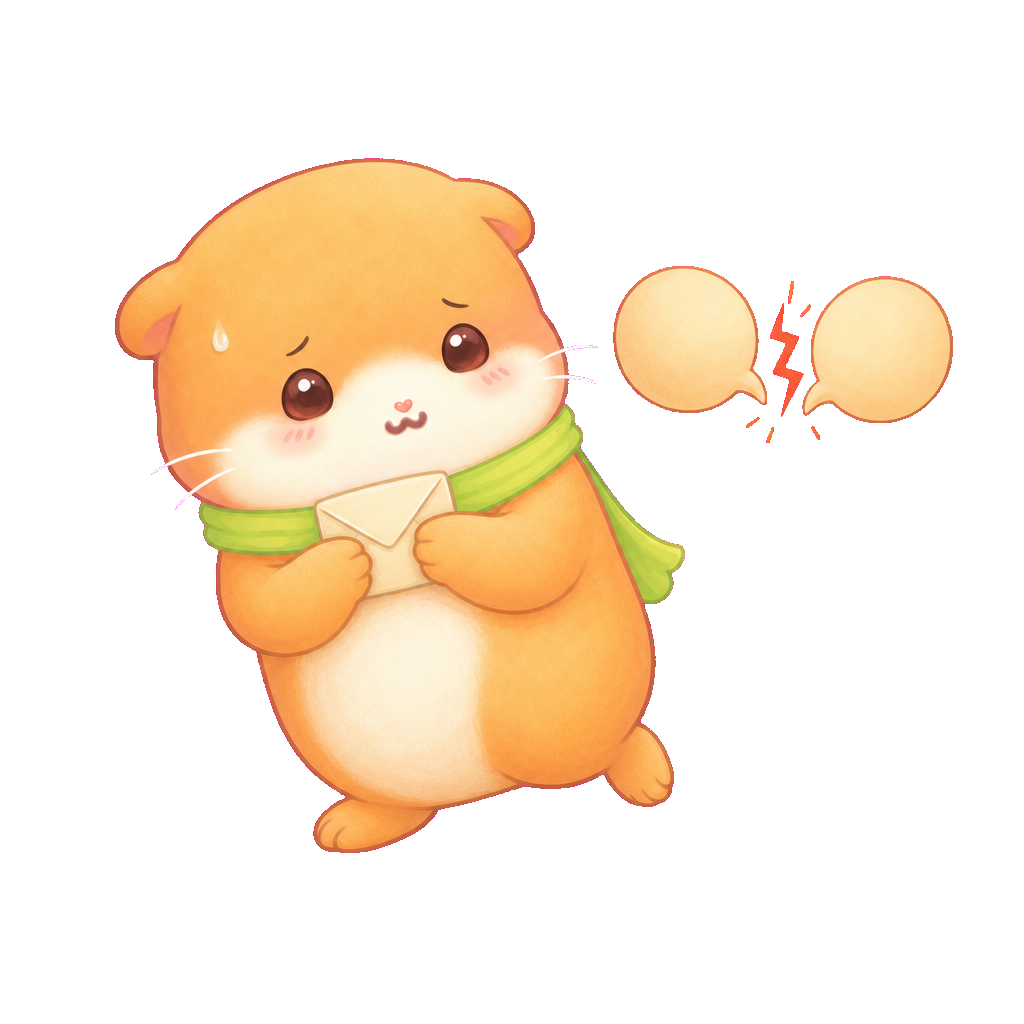
What is it?
Conflict avoidance is when you avoid disagreement, directness, or tension because it feels too risky or uncomfortable. You might tell yourself it’s “not a big deal,” wait for the right moment forever, stay quiet to keep the peace, or hope the other person figures it out. Sometimes not every issue needs a confrontation, but conflict avoidance becomes a pattern when your needs, boundaries, or honest reactions keep disappearing. Over time, avoiding conflict doesn’t usually prevent conflict; it often turns it into resentment, distance, passive anger, or sudden blowups.
How do people work on it?
The goal isn’t to become confrontational. It’s to practice clean, early communication. Start with lower-stakes conversations and use direct but non-accusatory language. A helpful structure is: “When ___ happened, I felt ___, and I’d like ___.” Keep it specific and behavioral. Avoid saving up ten examples and unloading them all at once. Conflict gets easier when it happens while the issue is still small enough to handle.
A useful exercise: use a one-sentence truth. Write the thing you’re avoiding in one calm sentence. For example: “I felt hurt when you canceled last minute,” or “I need more notice next time.” Then decide whether it needs to be said, written, or simply used to clarify your own boundary. This helps you separate the actual message from the fear around the message.
Additional resources to explore: CBT can help challenge predictions like “If I say this, they’ll leave” or “I can’t handle their reaction.” DBT interpersonal effectiveness skills can be useful for asking directly, saying no, and staying grounded during tension. Couples or relational therapy may help if conflict avoidance is part of a repeated relationship cycle.
Educational, not diagnostic.
Learn more